
If you’ve been on the internet in the past year, chances are you’ve heard the name Ozempic. But what exactly is it? Some people see it as a groundbreaking medical treatment. Others call it Hollywood’s “worst kept secret.” And like most things, the truth is somewhere in between.
How Ozempic Started
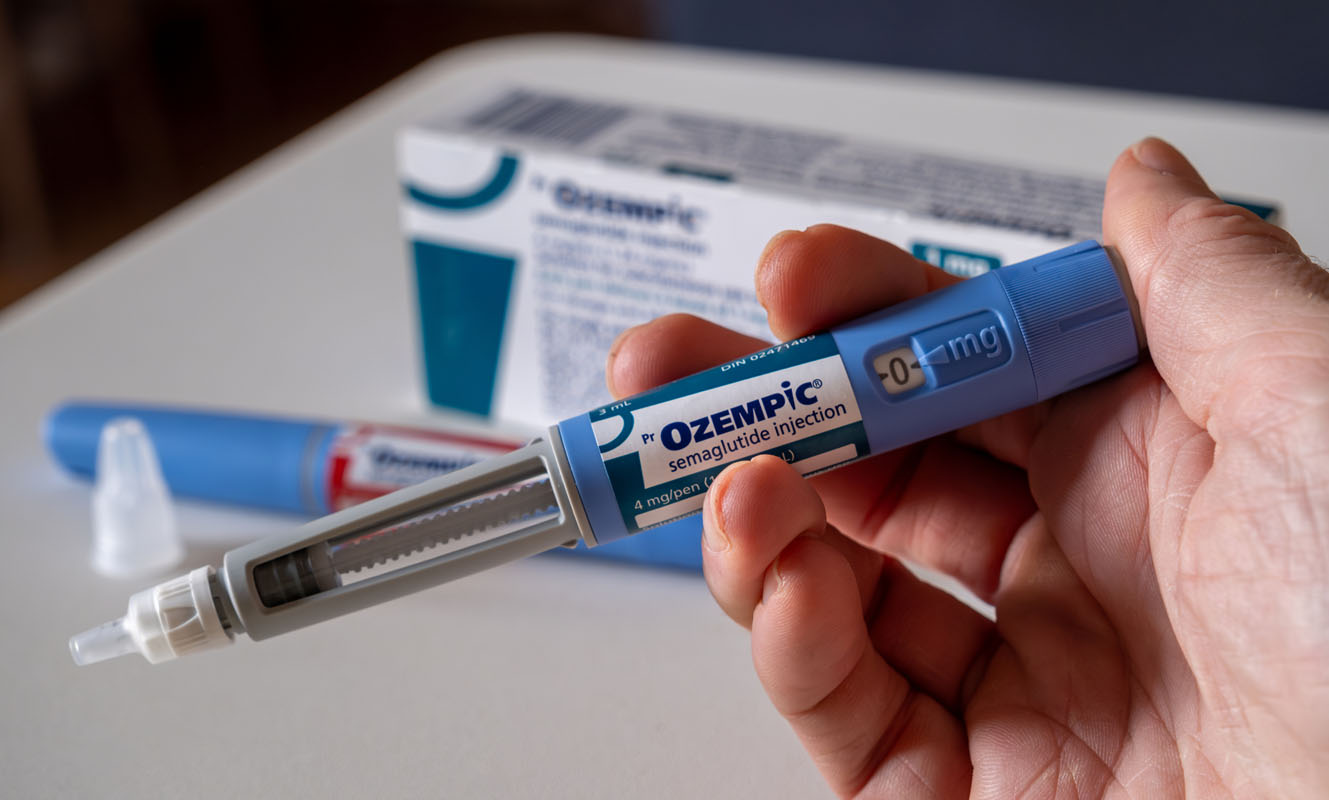
Ozempic wasn’t created as a weight loss drug. It was developed by Novo Nordisk and approved by the FDA in 2017 to help manage type 2 diabetes. Its active ingredient is semaglutide, which belongs to a class of medications called GLP-1 receptor agonists. These drugs mimic a hormone in your body that helps regulate blood sugar and slows digestion. The goal: help people with diabetes control their blood sugar and lower their risk of heart problems.
The Shift to Weight Loss
Pretty quickly, doctors and patients started noticing something else: people taking the weight loss drug were also losing weight. It wasn’t the original goal, but it was hard to ignore.
- Unexpected results: During diabetes treatment, patients began reporting significant weight loss.
- Further research: With more studies, the FDA approved Wegovy, another semaglutide-based drug, specifically for weight management.
- Off-label use: While Ozempic is still only approved for diabetes, many doctors now prescribe it off-label for weight loss.
- Life-changing for many: Especially for people with obesity, PCOS, or insulin resistance who’ve struggled to lose weight.
From Doctor’s Offices to Hollywood

Of course, the reason most people know about Ozempic isn’t because of a medical journal. It’s because of celebrities. Big names like Chelsea Handler and Elon Musk have openly admitted using GLP-1s like Ozempic for weight loss. Kelly Clarkson spoke about it candidly in 2023, which made headlines, helping lift the “taboo” around these drugs.
As more stars slimmed down seemingly overnight, Ozempic went from a diabetes medication to a pop culture phenomenon. Social media lit up with memes, late-night hosts cracked jokes, and everyone was asking their doctor about “the shot.”
What’s Actually in Ozempic?
At its core, Ozempic is just semaglutide, a synthetic version of a hormone our bodies naturally make. It helps regulate appetite, blood sugar, and digestion. It’s not a stimulant, not a fat burner, not some mystery compound. It’s science. But it can feel magical for people who’ve spent years struggling without answers.
The Cost Factor
Here’s the catch: it’s not cheap.
- Without insurance: A month of Ozempic can cost between $900 and $1,200.
- Insurance coverage: Many plans only cover it for type 2 diabetes, not for weight loss.
- Out-of-pocket options: Some people turn to compounded alternatives to save money.
- Access issues: Long pharmacy waitlists and shortages have become common since demand skyrocketed.
The high cost and limited access have made affordability the biggest barrier for everyday people looking to try Ozempic.
The Bottom Line
So, what is Ozempic? It’s a diabetes drug that became a weight loss sensation. It’s a medical tool with real science behind it — not just a celebrity fad. But like any tool, it works best with proper medical guidance and realistic expectations.
Whether you see it as a game-changer or a pop culture craze, one thing’s for sure: Ozempic has changed the way we talk about weight loss, for better or worse.
If you’d like to learn more, fill out our free intake form today.
Sources: Drugs.com, Novo Nordisk, National Library of Medicine, SingleCare, Healthline