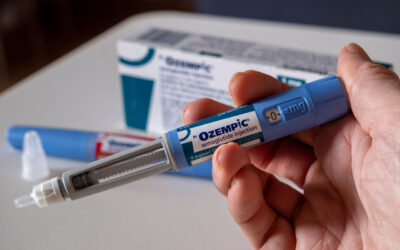

One of the most common misconceptions people on GLP-1 therapy face is the stigma that you’re “cheating” weight loss. But that narrative misses what’s really going on. For many individuals, especially those struggling with insulin resistance, PCOS, or metabolic issues, the reason weight loss feels so hard has very little to do with “willpower.” It’s biology.
1. It’s Not a Shortcut. It’s a Medical Tool.
GLP-1 medications don’t magically melt fat without effort. They help because they act on hormonal pathways that make weight loss especially difficult for some people. Without GLP-1s, diet and exercise alone often don’t cut it. For example, people with insulin resistance or PCOS struggle to lose weight because their bodies resist the usual methods.
Studies show that GLP-1 receptor agonists can significantly improve metabolic parameters, especially in individuals with PCOS. These medications don’t offer a “shortcut,” they deliver a scientifically validated treatment for a chronic metabolic condition.
When someone takes medication for high blood pressure or diabetes, we acknowledge it as managing a health issue. So why is treatment for metabolic health perceived so differently?
2. The Judgment Comes From Stigma, Not Science
Research backs up what people on GLP-1s report all the time: there is a real social stigma.
- A recent study shows that people using GLP-1s face more negative judgment and are often labeled with “shortcut” stereotypes.
- Experts warn that framing GLP-1s as an “easy way out” further entrenches weight stigma and overlooks the biological complexities.
- Inizio Evoke describes how people feel shamed for needing GLP-1 treatment. Experts recognize obesity as a disease, not a moral failure.
This stigma can be deeply personal. As one user shared on Reddit:
“They were created to treat real medical conditions … It is not a diet program. It is medical treatment. And it deserves to be respected like one.”
3. Biology Often Requires Medication
Biology drives weight struggles for many people. Insulin resistance, hormone imbalances, and other metabolic barriers are very real.
In PCOS, GLP-1 meds can help improve insulin sensitivity and support weight reduction while addressing hormonal imbalances. Scientific reviews clearly position these medications as part of a holistic treatment plan, not a “gimmick.”
Recognizing that doesn’t negate personal effort: GLP-1s strengthen your hard work, they don’t replace it.
4. Stigma and Shame Harm Long-Term Success
When people internalize the idea that GLP-1s are a cheat, it can actually undermine their health journey. Studies show that shame and internalized stigma can interfere with long-term commitment. When feeling judged, some hide their treatment or avoid discussing it, making it harder to get support or medical guidance. Stories on Reddit echo this:
“I feel like I’m cheating … It’s not magic. You still have to work hard … It deserves to be respected …”
Facing stigma isn’t just emotionally painful but can be a real barrier to accessing the care you need.
5. Reframing the Conversation
Here’s the truth we want to normalize:
- Your health journey is valid, whatever shape it takes.
- Using GLP-1 medication doesn’t make your progress less earned.
- You deserve treatments that reflect how your body actually works.
- There’s no shame in pairing medication with hard work, healthy habits, and self-care.
Just like with any chronic condition, the right treatment plan should combine science, compassion, and long-term thinking.
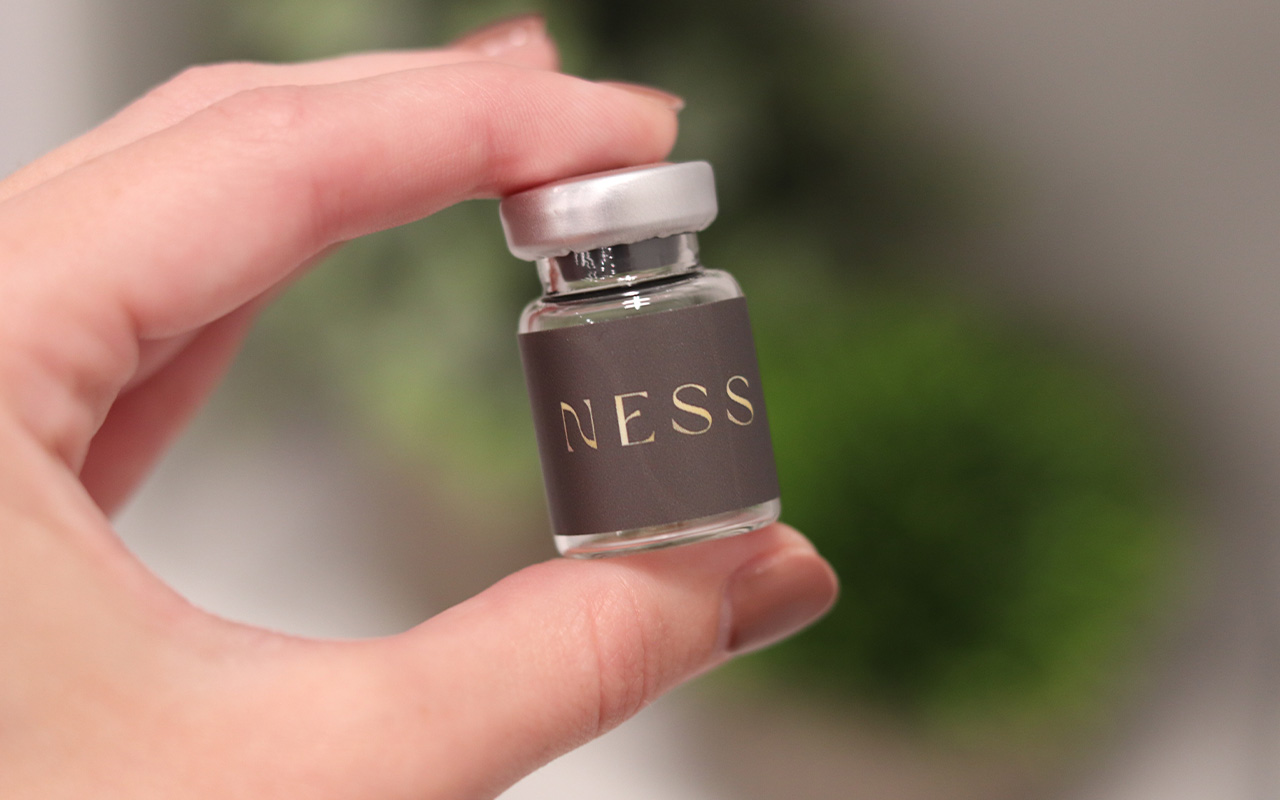
Ness is Here to Support
GLP-1 therapy isn’t a cheat code. This medication actively supports people with complex metabolic conditions using proven science. Shaming people for using it only deepens the stigma around obesity and undermines the value of medical progress.
If you’re on this path, remember: your journey is valid. Your decision is backed by science. And you’re not taking the “easy way out,” you’re using support that really works for you.
For more information on GLP-1 therapy, reach out to our support team today.
Sources: National Library of Medicine, Inizio Evoke, Reddit, Science Direct