
Halloween hits differently when you’re on a GLP-1 medication. Some people barely glance at the candy bowl. Others notice that a few pieces feel totally different. Here’s a clear, honest guide to what to expect, how sugar interacts with GLP-1s, and practical tips so you can enjoy the holiday without derailing your progress.
What to Expect with Cravings
- Many people on GLP-1s report fewer cravings for sweets or a reduced preference for high-sugar treats.
- However, some studies suggest increased sweetener (sucrose) interest in certain contexts.
- GI reactions (nausea, indigestion) after very sweet or fatty snacks are common, especially when you’re starting or increasing dose.
Why GLP-1s Can Change How You React to Candy
GLP-1 drugs like semaglutide act on multiple parts of the body. They help food stay in your stomach longer, boost insulin responses, and influence brain pathways tied to food. That last part helps explain why sugar feels less appealing or why you no longer “want” candy. Studies measuring real food choices show a reduced preference for both high-fat and sweet items after GLP-1 treatment.
However, early-stage research has shown mixed signals about sucrose. Many people report less sugar craving, while some still reach for sweet foods in certain emotional or social situations.
How Sugar Can Affect Your Drug, Sleep, and Energy
- Drug effectiveness: Eating sugar won’t “cancel” a GLP-1. But large, frequent sugar loads can dull metabolic improvements over time by keeping overall calorie intake high. Also, because GLP-1s slow gastric emptying, very sugary meals can feel heavier and trigger GI side effects.
- Sleep and energy: Because GLP-1s can reduce appetite and alter blood sugar patterns, some people notice small shifts in energy and sleep. Avoiding big sugar spikes can help minimize energy crashes that disturb sleep.
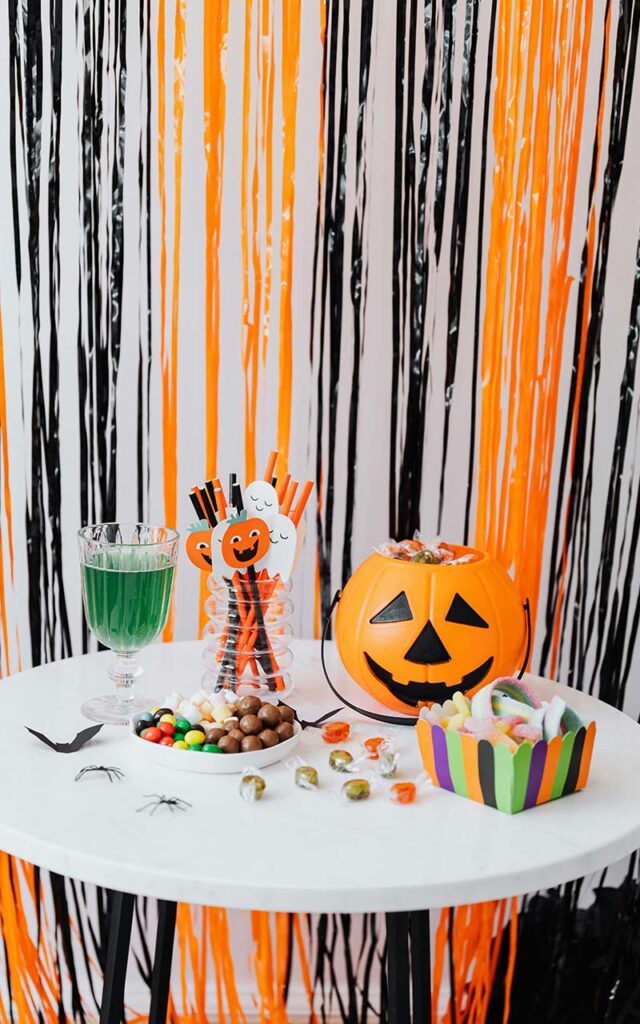
If You Do Want Halloween Candy, Here Are Practical Tips:
- Keep it small. Pick one or two pieces you really enjoy. Mindful, intentional tasting beats handfuls of random bites.
- Stabilize first. Eat a balanced snack or meal with protein, fiber, and healthy fat before candy. This blunts blood sugar spikes and reduces GI upset.
- Hydrate. GLP-1s and sugar can both affect digestion and hydration; water helps.
- Time it. Enjoy candy earlier in the day rather than right before bed to avoid sleep disruption from sugar or energy swings.
- Mind the dose timing. If you’re starting or increasing dose, your GI tolerance may be lower so consider avoiding sugar until you’re stable.
- Talk to your family for support. Let them know what you’re trying to do. Discuss keeping the candy out of sight or each person gets a specific amount instead of free-for-all access.
Finding Balance This Halloween
Most people on GLP-1s notice less intense cravings for sugary junk, and many find Halloween easier than expected. But responses are individual. If you choose to indulge, do it intentionally: small portions, pair with protein or fiber, and lean on your support network.
If anything feels off, like big mood swings, persistent nausea, or odd blood sugar patterns, talk to your physician. Ness is here to help you throughout your health journey. Begin feeling your best self today by filling out our free intake form.
Sources: Nature, News Medical, National Library of Medicine, JAMA Network, TRAVA