

What if your BMI wasn’t giving you the full picture of your health? A new study finds when considering factors beyond weight, nearly 70% of U.S. adults may meet the criteria for obesity.
BMI alone doesn’t show the difference between fat and muscle or reveal where your fat is distributed. The hope is that more accurate definitions will lead to better prevention, earlier intervention, and more personalized care.
Let’s dig into what the new definition means and why it’s a game changer. Plus, how this ties into modern approaches to weight maintenance like microdosing.
Why Redefine Obesity? The Problem with BMI
Since the 1800s, we’ve used body mass index (BMI) as the go-to metric for obesity (≥ 30). But BMI has important limitations. It cannot separate fat from muscle or identify where your body stores fat.
The new framework, published in JAMA Network Open, incorporates anthropometric measures (like waist circumference, waist-to-hip ratio, waist-to-height ratio) and direct measures of body fat.
Researchers analyzed data from more than 301,000 U.S. adults. Using BMI alone, 43% were classified as obese. But under the new model, that number jumped to 69%. This means the updated definition could flag tens of millions more people as having obesity.
Dr. Lindsay Fourman, the study’s lead author, explained that someone with a BMI of 23 might still carry excess abdominal fat. That hidden fat can increase the risk of metabolic complications. Her point: “Recognizing people with [this type of] obesity can lead to more accurate health risk stratification.”
By redefining obesity more precisely, the medical community hopes to better identify people who would benefit from earlier lifestyle intervention.
What It Means for You: Why a “Normal” BMI Isn’t Always Safe
If the new definition stands (and starts gaining acceptance), people who believe they’re “in the clear” may re-examine their health. This change is not about labeling more people as unhealthy, but recognizing BMI alone doesn’t tell the full story.
A “healthy weight” isn’t just a number on the scale. You can have a normal BMI and still carry excess fat that puts you at risk for metabolic issues. Things like waist circumference, waist-to-hip ratio, or even body fat scans can reveal hidden risks earlier.
If you fall into that “normal BMI” category, it’s a good idea to ask your provider about more precise testing. Screening for fatty liver, insulin resistance, or visceral fat levels can help catch potential problems before they progress.
This new definition is ultimately about proactive awareness and providing people with better tools to support long-term health.
Why Microdosing Makes Sense

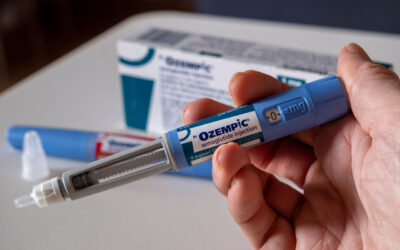
So, you might be asking: “Okay, more people are labeled obese now. Now what?” That’s where glp1 microdosing comes in.
By microdosing (using low but potent doses), individuals may support weight maintenance and metabolic balance more safely and sustainably. The rationale:
- Gentle metabolic support: Microdosing can help subtly improve appetite control, insulin sensitivity, and fat metabolism. Perfect for those newly identified as higher risk under the updated guidelines.
- Fewer side effects: Because GLP-1 microdosing uses much lower doses, side effects are typically milder. That makes it easier to tolerate long-term, which is important for sustainable health.
- Bridging the gap: For people who appear to have a “normal” BMI but carry hidden fat, microdosing offers a middle-ground option. It helps support metabolic health before patients need more intensive treatments.
- Lifestyle support: Microdosing isn’t a replacement for healthy habits like balanced eating, regular movement, quality sleep, and stress management. But it can help reinforce and maintain their benefits over time.
When the new obesity definition identifies more people at risk, microdosing can help provide support. Together, they help bridge the gap between having a “normal” BMI and being truly metabolically healthy.
Considerations for the Future
Keep in mind that not all organizations have officially adopted this new obesity definition yet. As it’s based on emerging research, clinical guidelines, medical practice, and insurance coverage will take time to catch up.
Being classified as “obese” under the new criteria doesn’t automatically mean intensive treatment is needed. For many people, lifestyle support like balanced nutrition, regular movement, and healthy sleep can have a big impact.
Microdosing offers a gentle, supportive way to complement those lifestyle changes. Providers can personalize it for sustainable progress based on each person’s goals, health history, and metabolic needs.
As the new obesity definition identifies more people at risk, raising awareness becomes more important than ever. By combining sustainable lifestyle changes with supportive tools like microdosing, everyone can take meaningful steps toward better long-term health.
Sources: The Guardian, JAMA Network Open, National Library of Medicine