

GLP-1 weight loss is all the rage now but are you asking yourself, “what exactly do GLP-1s do?”. You’re not alone. These drugs have become mainstream but there’s confusion about how they work, who they help, and what to expect.
Let’s break it all down: the mechanism, benefits, limitations, and how GLP1 fits into a sustainable health plan.
What Is GLP-1 (and Why It Matters)
GLP-1, short for glucagon-like peptide-1, is a natural hormone produced in your gut after you eat. Its main role is to help you feel satisfied after meals and keep your appetite balanced. GLP1 helps prevent blood sugar spikes and keeps energy levels steadier throughout the day.
However, the natural form of GLP-1 doesn’t stick around for long. Within a couple minutes, it’s quickly broken down by an enzyme called DPP-4. That’s where GLP1 medications come in.
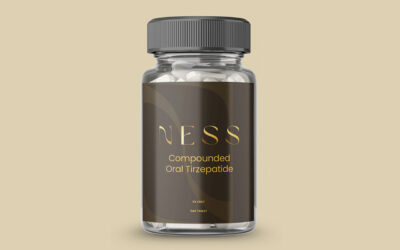
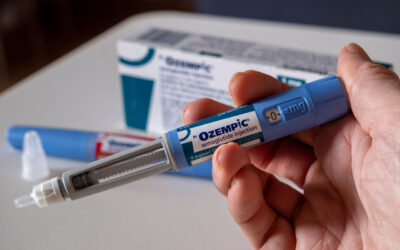
Medications like semaglutide and tirzepatide are designed to mimic the effects of your body’s natural GLP-1 but last much longer. These medications work by enhancing what your body already does naturally, but more effectively and for longer.
How Does It Work In Your Body
GLP-1 receptor agonists (GLP-1 RAs) work in several ways to improve blood sugar, reduce appetite, and support long-term weight management.
- Pancreas support: Increases insulin release only when blood sugar is high, helping prevent dangerous drops.
- Slower digestion: Delays gastric emptying, reducing blood sugar spikes and keeping you fuller longer.
- Brain effects: Helps with appetite control and “food noise” to help you feel satisfied sooner and eat less.
This combination makes these medications a promising tool for both metabolic health and weight management.
Who Benefits From Using GLP-1?
GLP-1 medications were first developed to help people with type 2 diabetes manage blood sugar levels. Today, GLP-1 is more widely used for:
- Obesity management: Regulates appetite, slows digestion, and promotes fullness to reduce calorie intake.
- PCOS support: Improves insulin sensitivity, aids weight loss, and helps balance hormones.
- Weight loss plateaus: Helps uncover deeper metabolic imbalances that may be holding back progress.
Not a Magic Solution For Weight Loss
It’s important to remember that GLP-1 is not a quick fix for weight loss. They’re powerful tools, but they work best when combined with healthy habits. Keep in mind:
To get the most out of the medication, it’s essential to take a holistic approach. That means pairing the medication with a balanced diet, regular exercise, good sleep, and stress management. These factors help your metabolism stay strong and improve your long-term results.
Progress takes time, too. While some people notice appetite changes and early weight loss in the first few weeks. However, bigger improvements often build gradually over several months.
Like any medication, GLP1 can come with side effects. Common symptoms include nausea, bloating, constipation, or diarrhea, especially as your body adjusts or when doses increase.
How to Use GLP-1 Effectively
- Consult a specialist to review your medical history and create a personalized plan.
- Start at a low dose and increase gradually to minimize side effects.
- Combine with nutrient-dense foods, exercise, and proper sleep to maximize results.
- Track energy, mood, and blood sugar, not just weight.
- View this treatment as a long-term tool, and make medication changes with your provider.
Sources: Medical News Today, National Library of Medicine, Cleveland Clinic, Frontiers, Science Direct