
Tirzepatide has emerged as one of the most powerful tools in the medical weight loss toolbox. It combines effects on multiple gut hormones to help people lose significant amounts of weight. As interest in oral medications grows, many patients ask us: Is oral tirzepatide effective for weight loss?
In this article, we’ll explore what tirzepatide is, how it works, the difference between injectable and oral formulations, how effective it is, why it’s gaining popularity, and what’s on the horizon.
What Is Tirzepatide and How Does It Work?
Tirzepatide is a medication that acts on two incretin hormone pathways: GIP (glucose-dependent insulinotropic polypeptide) and GLP-1 (glucagon-like peptide-1). By stimulating both receptors, it amplifies the body’s natural metabolic signals that help regulate appetite, food intake, and blood sugar.
Your body releases these hormones when you eat, and they help:
- Slow gastric emptying
- Increase feelings of fullness
- Improve insulin sensitivity
- Reduce appetite
Researchers believe this dual mechanism produces stronger weight loss effects. This compares to traditional GLP-1 medications (semaglutide), which only target one hormone pathway.
In clinical studies, tirzepatide has produced dramatic weight loss results. For example, in the SURMOUNT-3 trial, participants taking tirzepatide lost an average of over 20–24% of their body weight over roughly 72 weeks. This is significantly more than placebo and more than many other GLP-1 medications in head-to-head comparisons.
How Is Oral Tirzepatide Different From the Injectable Version?

Oral and injectable tirzepatide differ primarily in how patients take the medication.
Patients take traditional tirzepatide as a once-weekly subcutaneous injection, which releases the medication gradually over time.
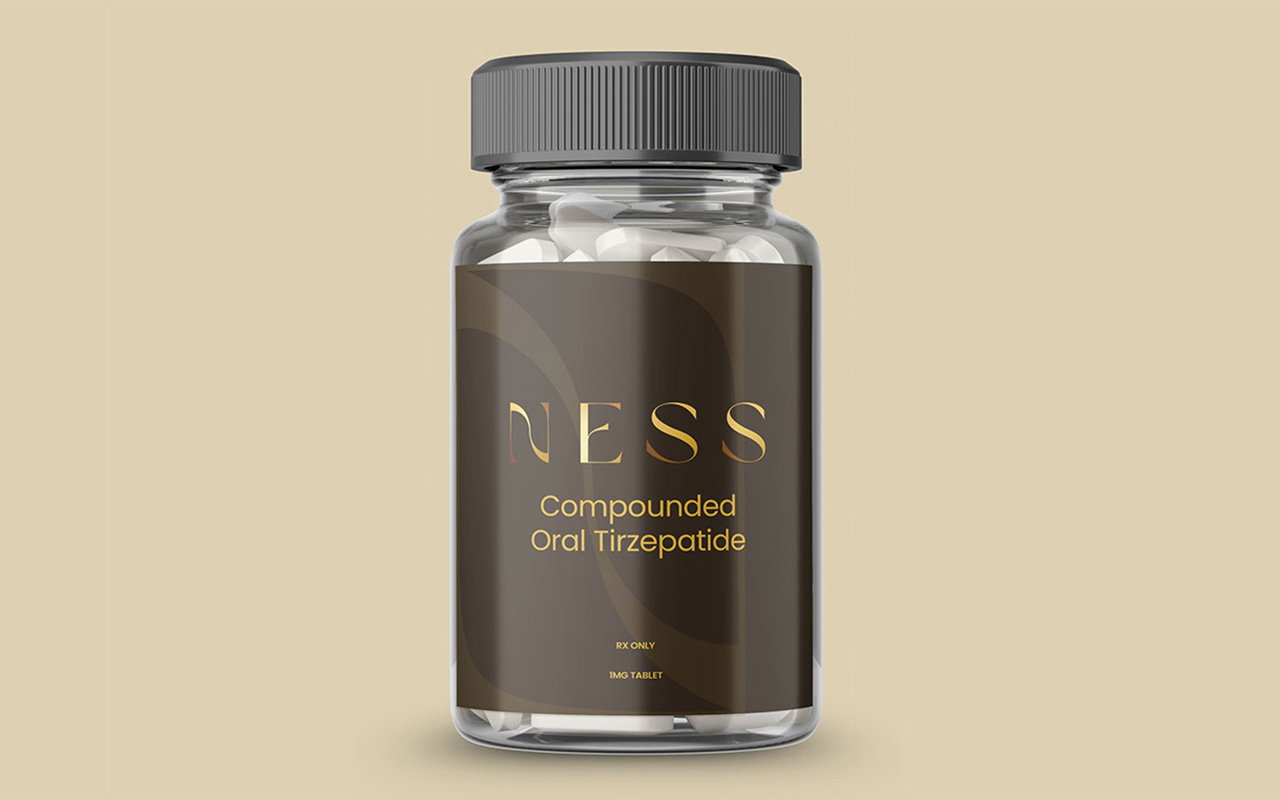
Oral tirzepatide is typically taken daily and absorbed under the tongue. Instead of a weekly injection, patients use a small daily dose. Many people find this more convenient and less intimidating than needles.
Both delivery methods work on the same hormone pathways (GIP and GLP-1), so potential side effects are similar. Most commonly nausea, digestive discomfort, or appetite changes during dose adjustments.
For some patients, daily dosing may feel more manageable and allow for smoother titration. Others prefer the convenience of a weekly injection. The “better” option often comes down to lifestyle preference, tolerance, and provider guidance.
How Effective Is Oral Tirzepatide for Weight Loss?
Clinical trials of injectable tirzepatide have demonstrated substantial weight loss, with many participants losing 15–20% of their starting body weight over time. These outcomes rank among the most significant results available with non-surgical weight loss medications.
Although researchers conducted those studies using injectable formulations, oral tirzepatide works through the same dual GIP and GLP-1 hormone pathways. The goal is to activate the same appetite-regulating and metabolic mechanisms, just through a different delivery method.
Our licensed physicians suggest that when properly dosed and medically supervised, patients using oral tirzepatide may experience meaningful weight reduction over time.
Why Is Tirzepatide Gaining Popularity?
There are several reasons oral tirzepatide has exploded:
More Sustainable Weight Loss
People choose tirzepatide because it delivers meaningful, lasting weight loss compared to many older medications.
Dual Hormone Action
By activating both GIP and GLP-1 receptors (rather than just one), tirzepatide appears to deliver stronger effects on appetite and metabolism.
High Demand for Non-Invasive Options
Weight loss injections can be intimidating for some people, so the idea of a daily pill naturally appeals. Even though no FDA-approved oral tirzepatide exists yet, demand drives conversation and research into oral incretin therapies.
Safety and Side Effects You Should Know
Like all medications, tirzepatide can cause side effects. Common side effects include nausea, diarrhea, and constipation. Serious side effects are rare but can occur and should be discussed with your healthcare provider. Full safety profiles are available through prescribing information.
Where Oral Tirzepatide Stands Today
Its dual hormone mechanism and strong evidence base have made it one of the most effective tools for medical weight loss in recent years.
If you’re curious whether tirzepatide fits your goals, talk with a licensed healthcare professional who can guide you based on your health history and needs.
Sources: New England Journal of Medicine, National Library of Medicine