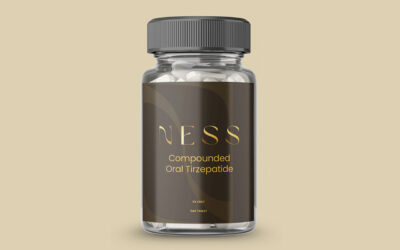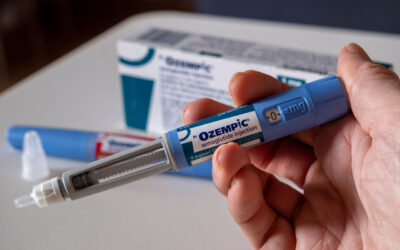

GLP-1 microdosing refers to taking a reduced dose of a GLP-1 medication, such as semaglutide or tirzepatide. As a result, lower doses may help with appetite, energy, and weight loss. They also tend to cause fewer side effects and may be cheaper.
Benefits Compared to Standard GLP-1 Treatment
- Fewer side effects: Many people find full-dose GLP-1 prescriptions cause nausea, diarrhea, or fatigue. A lower dose can help patients adjust to therapy and minimize early side effects.
- Better balance for busy lives: For busy people balancing work, family, and health goals, microdosing offers a gentler adjustment. It causes fewer disruptions and milder appetite changes.
- Improved focus, energy & sleep: With fewer side effects, people may avoid fatigue, brain fog, and sleep issues. This leads to steadier energy and better focus.
- Cost-effective access: Some users view it as a way to stretch medication supply and lower out-of-pocket cost.
Eligibility & Who It’s For
Microdosing may be a good fit for people who:
- Are new to GLP-1 therapy and want to start slow
- Have experienced side effects from higher doses in the past
- Have smaller weight loss goals or want gradual progress
- Live busy lives and prefer minimal disruption to their routine
A licensed provider can help determine whether this treatment is appropriate based on your medical history, goals, and lifestyle.
Typical Dosing & Titration
Microdosing usually starts at a small fraction of the standard dose and increases gradually. This “start low, go slow” approach helps your body adjust and reduces nausea or digestive issues.
For example, the standard semaglutide dose starts at 0.25mg once a week for 4 weeks, increasing by 0.25mg each month. Microdosing starts lower at 0.1mg once a week for 4 weeks, increasing by 0.1mg monthly. Your provider checks your progress regularly and adjusts your plan as needed.
Microdosing in the Media

Andy Cohen (left) in 2022; (right) in July 2025.
Credit : Roy Rochlin/Getty; Steven Bergman/AFF-USA/Shutterstock
Microdosing is becoming a popular trend in weight loss. Many influencers and celebrities are sharing their experiences with this treatment style for gradual results. Celebrities like Rebel Wilson and Andy Cohen have talked about using it to manage weight and cravings, raising awareness and interest.
A Newsweek survey found that Generation Z is leading the microdosing trend. Nearly 9 in 10 Gen Z participants have tried GLP-1 microdosing, often citing lower cost and fewer side effects.
Important Things to Know
- Lack of long-term evidence: There are currently no robust clinical trials confirming efficacy for microdosing GLP-1s.
- Still requires medical oversight: Changing doses from standard treatment still needs a licensed provider to monitor effects.
- Slower or smaller effects: Lower doses may lead to gradual weight loss or earlier plateaus.
- Ongoing monitoring: Microdosing still needs monthly check-ins. For best results, combine it with good nutrition, regular exercise, and enough rest.
How Ness Approaches Microdosing
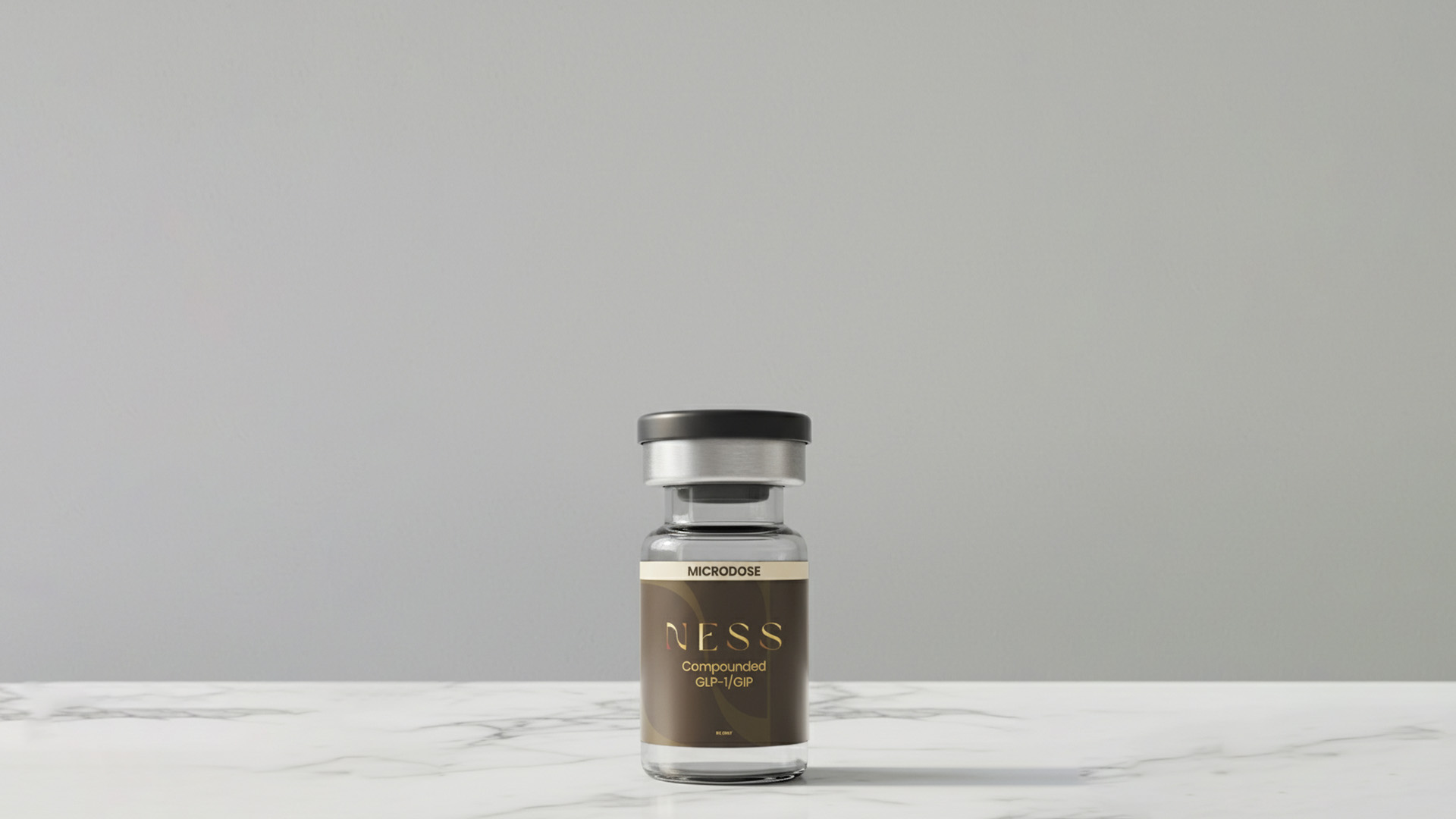
At Ness Healthcare, we offer supervised microdosing for patients who may benefit from a gentler, flexible GLP-1/GIP approach. Our licensed physicians review your health history and goals to create a plan that fits your busy life. Fill out our free intake form today to get started.
Sources: Healthline, Newsweek, USA Today, Cleveland Clinic, HUM Nutrition, People